
Antistatic additives can be classified according to their mechanism of action, chemical properties, and application methods. Based on their mechanism of action, they are mainly divided into two categories: internal lubrication type and surface type. Internal lubrication type antistatic agents are generally thoroughly mixed with polymer materials to form conductive channels within the material, thereby reducing volume resistivity. These additives are suitable for injection molding, extrusion, or film materials, and have long-lasting and stable antistatic properties. Surface type antistatic agents mainly form a moisture-absorbing film or conductive layer on the material surface, increasing surface conductivity. They are suitable for plastic products with high requirements for transparency and appearance, such as packaging films and electronic casings.
From a chemical perspective, antistatic additives can be classified into nonionic, cationic, anionic, and zwitterionic types. Nonionic additives offer good thermal stability and compatibility, making them suitable for polyolefin materials, but their antistatic effect is relatively mild. Cationic and anionic additives regulate surface charge distribution through charged ions, typically providing significant effects, but they are sensitive to moisture and pH. Zwitterionic additives combine the characteristics of both cationic and anionic additives, adapting to various material surfaces while maintaining relatively stable antistatic properties, making them widely used in high-end electronic, optical, and medical materials.
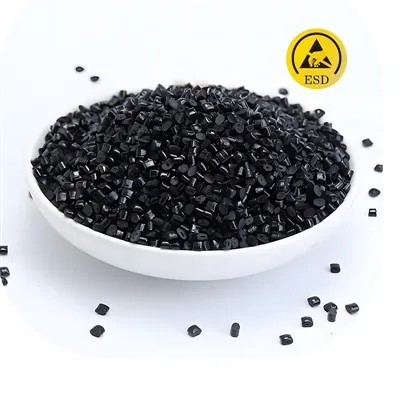
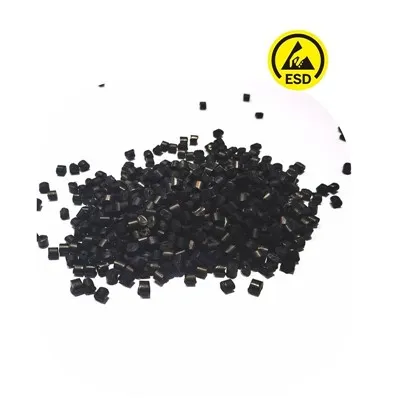
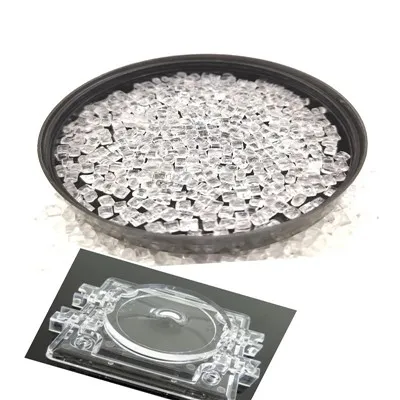
Based on application methods, antistatic additives can also be categorized into masterbatch, liquid dispersion, and coating types. Masterbatch additives are made by mixing antistatic agents with polymer base materials to form granules, facilitating processing and uniform dispersion, and are suitable for injection molding and blow molding processes. Liquid dispersion additives can be directly added to resins or coatings, offering flexible operation and suitability for materials requiring precise resistivity control. Coating type antistatic agents form antistatic surfaces through surface spraying, dipping, or coating films, suitable for pre-molded products, especially electronic device housings, optical lenses, and precision instrument surfaces.