Hey there! As a supplier of super conductive materials, I've been thinking a lot lately about the future of these amazing substances. Will they ever replace traditional conductors? It's a question that's on the minds of many in the industry, and today, I want to dive into it with you.
Let's start by looking at what super conductive materials are. Superconductors are materials that can conduct electricity with zero electrical resistance when cooled below a certain critical temperature. This means that they can transmit electricity without losing any energy as heat, which is a huge advantage over traditional conductors like copper and aluminum.
So, what are the benefits of using super conductive materials? Well, one of the biggest advantages is energy efficiency. Since there's no resistance, there's no energy loss during transmission. This could lead to significant savings in energy costs, especially in large-scale applications like power grids. For example, imagine a power grid that can transmit electricity over long distances without any loss. That would mean less energy wasted and lower bills for consumers.
Another benefit is that super conductive materials can carry much larger electrical currents than traditional conductors. This makes them ideal for high-power applications, such as electric motors and generators. In fact, some researchers are already working on developing super conductive motors that could revolutionize the automotive and aerospace industries. These motors would be more efficient, lighter, and smaller than their traditional counterparts, which could lead to better performance and longer battery life in electric vehicles.
But it's not all sunshine and rainbows. There are still some challenges that need to be overcome before super conductive materials can replace traditional conductors on a large scale. One of the biggest challenges is the cost. Superconductors are currently very expensive to produce, and they require special cooling systems to maintain their superconducting state. This makes them less practical for many applications, especially in developing countries where cost is a major factor.


Another challenge is the critical temperature. Most superconductors have a very low critical temperature, which means they need to be cooled using liquid helium or other cryogenic fluids. This adds to the cost and complexity of using these materials. However, researchers are constantly working on developing new superconductors with higher critical temperatures, which would make them more practical for everyday use.
Despite these challenges, I believe that super conductive materials have a bright future. In fact, we're already starting to see some applications of these materials in the real world. For example, some MRI machines use superconducting magnets to produce high-resolution images of the body. These magnets are more powerful and efficient than traditional magnets, which allows for better imaging and faster scanning times.
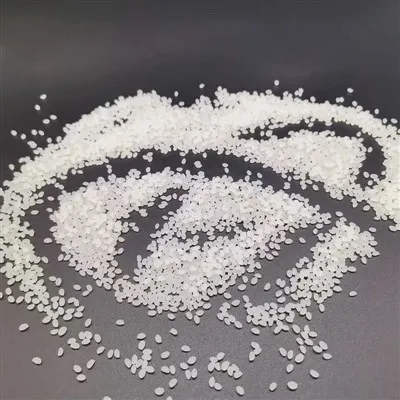
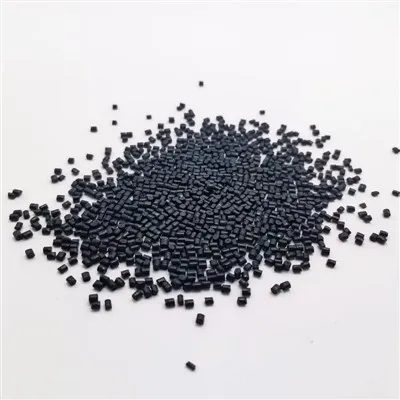
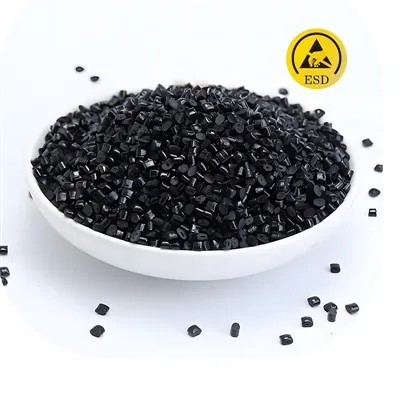
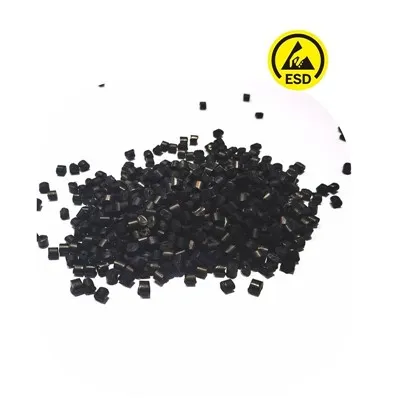
So, let's talk about some of the products we offer as a super conductive material supplier. We have a range of products that are designed to meet the needs of different industries. For example, we offer Conductive Carbon Black Masterbatch for PP Sheet. This product is perfect for adding conductivity to polypropylene (PP) sheets, which are commonly used in packaging, automotive, and electrical applications.
Another product we offer is Conductive Additive for PE Film. This additive can be used to make polyethylene (PE) films conductive, which is useful for applications such as electrostatic discharge (ESD) protection and electromagnetic interference (EMI) shielding.
And finally, we have Conductive Carbon Black Masterbatch for PS Sheet. This masterbatch is great for adding conductivity to polystyrene (PS) sheets, which are used in a variety of applications, including disposable food containers, packaging, and insulation.
In conclusion, while super conductive materials may not replace traditional conductors overnight, I believe that they have the potential to revolutionize the way we use electricity. As the technology continues to improve and the cost comes down, we'll likely see more and more applications of these materials in the future. If you're interested in learning more about our super conductive materials or have any questions about how they can be used in your application, please don't hesitate to reach out. We're always happy to help and would love to discuss your specific needs. Let's work together to take advantage of the amazing benefits that super conductive materials have to offer!