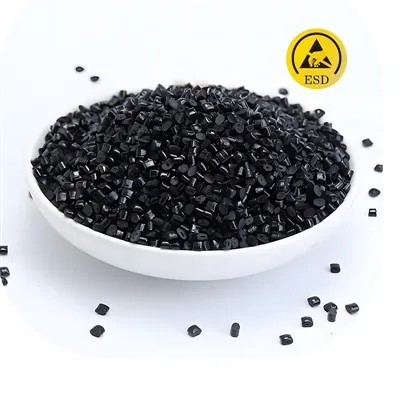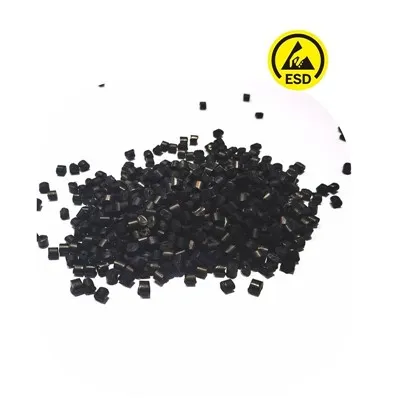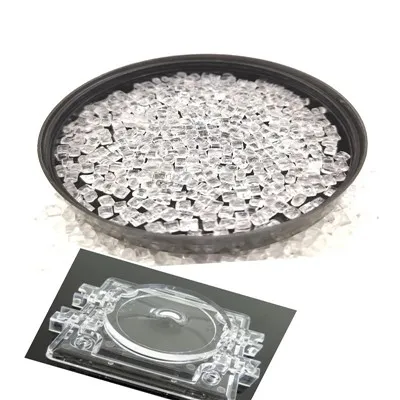

Application Scenarios Selection The primary principle for selecting antistatic additives is to clearly define the application scenario and functional requirements. For plastic films, injection molded parts, or electronic casings, additives with moderate migration and good thermal stability should be selected to ensure long-term antistatic effects during processing and use. For coatings, inks, or fibrous materials, surface-type antistatic agents are required, prioritizing products with good dispersibility and high transparency to ensure appearance and uniformity. For high-end optical materials or medical plastics, high-temperature resistant, low-migration, and environmentally friendly polymeric antistatic agents should be selected to avoid affecting material performance and safety.
Focus on Technical Performance Parameters When purchasing, pay close attention to the product's surface resistivity, volume resistivity, charge decay time, and thermal stability. Surface resistivity is typically required to be between 10^9 and 10^12 Ω, while volume resistivity is around 10^10 to 10^13 Ω, depending on the material and application requirements. Charge decay time reflects the static discharge efficiency and should be controlled within seconds to tens of seconds, depending on the product's operating environment. Thermal stability determines the reliability of materials during high-temperature processing such as injection molding and extrusion. Water resistance, solvent resistance, and chemical stability should also be considered to ensure stable performance under different environments.
Material Type and Compatibility Considerations Antistatic additives mainly include low-molecular-weight organic compounds, high-molecular-weight polymers, and inorganic/composite materials. Low-molecular-weight antistatic agents have good migration and obvious initial effects, but may affect transparency and long-term durability; high-molecular-weight polymers have high stability, high temperature resistance, and are suitable for long-term use; inorganic or composite antistatic agents have strong thermal stability and low migration, making them suitable for engineering plastics and high-end electronic applications. When purchasing, antistatic agents with good compatibility should be selected according to the type of base material and processing technology to avoid precipitation, oil spots, or performance degradation.
Environmental and Safety Requirements Environmental protection and safety are also emphasized when purchasing antistatic additives. It is recommended to choose antistatic agents that comply with REACH, RoHS, or relevant domestic environmental standards, and avoid products containing heavy metals or volatile harmful substances. During storage, processing, and use, safety operating procedures must be strictly followed, protective equipment must be worn, and temperature, humidity, and ventilation conditions must be properly controlled to ensure the safety of operators and the final product.