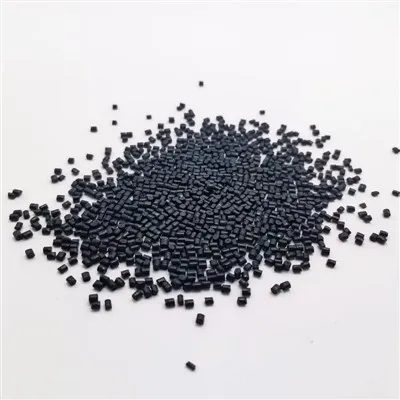

Antistatic additives are functional auxiliaries used in polymers, coatings, textiles, and plastic products to improve the accumulation of static electricity on or within the material's surface. Industry standards have specific requirements for their performance, including indicators such as conductivity, surface resistivity, durability, and thermal stability. Generally, antistatic additives should maintain stable antistatic properties throughout the material's service life, while not significantly affecting the mechanical strength, transparency, or processability of the base material. Furthermore, different application areas have specific requirements for the concentration and dispersibility of antistatic agents. For example, thin film materials require a surface resistivity between 10^9 and 10^12 Ω, while electronic component packaging materials require even stricter conductivity control.
Regarding safety and environmental protection, industry standards clearly stipulate that antistatic additives must comply with relevant toxicological and environmental protection regulations. For example, the European REACH regulation and the US EPA regulations impose strict limits on heavy metal residues, biodegradability, and volatile organic compound emissions in chemical additives. Therefore, when developing and applying antistatic additives, manufacturers must select raw materials that meet international and domestic environmental protection requirements and ensure that the final product does not release harmful substances during use, thus avoiding harm to human health and the environment.
Quality control and testing methods are also an important part of the antistatic additive industry standards. Standards typically specify methods for material sampling, pretreatment, and performance testing, such as surface resistivity testing, volume resistivity testing, thermal stability testing, and aging testing. These tests ensure that the product maintains stable antistatic effects under different temperature and humidity environments, while providing customers with reliable technical indicators. During the production process, companies should also establish a comprehensive testing system to monitor performance fluctuations between batches, ensuring that each batch of products meets the standard requirements.