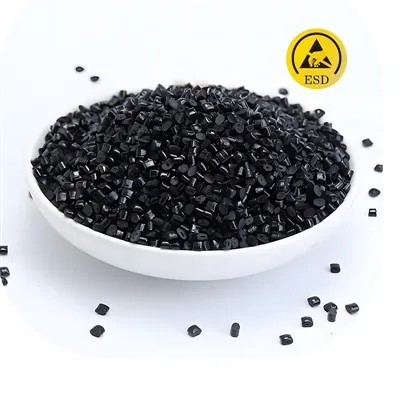

The technical parameters of antistatic additives mainly reflect their electrical properties, physicochemical properties, and processing adaptability, serving as crucial criteria for judging their suitability and quality. First, electrical properties are the core indicators, primarily including surface resistivity, volume resistivity, and charge decay time. Surface resistivity is typically required to be between 10^9 and 10^12 Ω, while volume resistivity is around 10^10 to 10^13 Ω, with specific values depending on the application. Charge decay time reflects the speed at which the material releases static electricity; industry standards typically require it to be completed within a few seconds to tens of seconds to ensure timely and reliable antistatic effects.
Physicochemical properties are also an important component of the technical parameters. Antistatic additives must possess good thermal stability (processing temperature range generally 150~250℃), chemical stability, and dispersibility. Thermal stability ensures that it does not decompose or discolor during high-temperature processing; chemical stability requires that it does not react adversely with the base material to avoid performance degradation; dispersibility determines its uniformity in plastics, coatings, or fibers, affecting the stability of the final antistatic effect. Some applications also require water and solvent resistance to ensure performance does not degrade in humid or chemical environments.
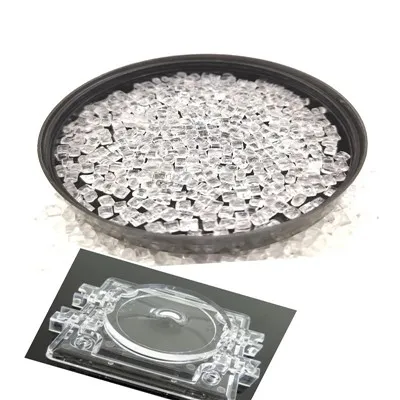
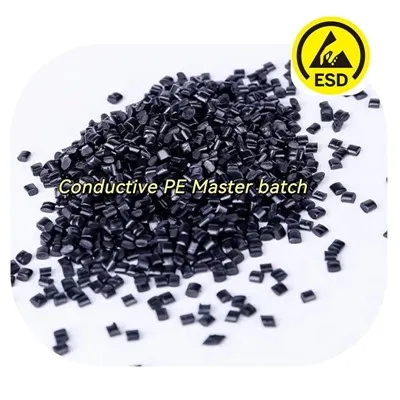
Processing and application performance are also important parameters, including migration, transparency, and compatibility. Migration reflects the ability of the antistatic agent to migrate from the material's interior to the surface to form an effective conductive layer; too rapid migration can lead to surface precipitation or volatilization, while too slow migration affects the initial antistatic effect. Transparency and compatibility are related to applications in optical materials, films, and highly transparent plastics, and must ensure that they do not affect the material's appearance or mechanical properties. For masterbatch or liquid dispersion products, technical parameters also include particle size distribution, concentration, and content to ensure consistent performance across different batches.