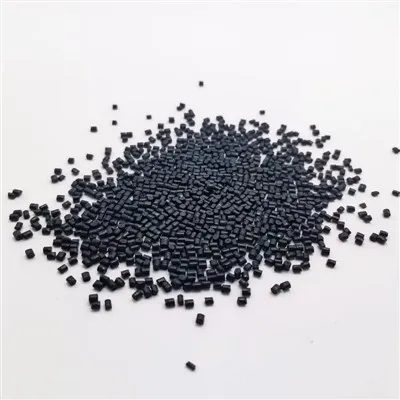

Principle of Conductive Groups
Conductive polymers contain groups that can provide free electrons or holes, and these groups are key to the conductivity of the polymer. Conductive groups typically refer to heterocycles, aromatic molecules, organometallic complexes, etc., that can provide free electrons or holes. Common conductive groups include benzene rings, thiophene rings, pyrrole rings, and oxabenzene rings.
The conductivity of conductive groups in conductive polymers is related to their chemical structure; different conductive groups produce different conductivity properties. Therefore, by selecting different conductive groups and changing their number and distribution, the conductivity of conductive polymers can be controlled.
Principle of Conductive Fillers
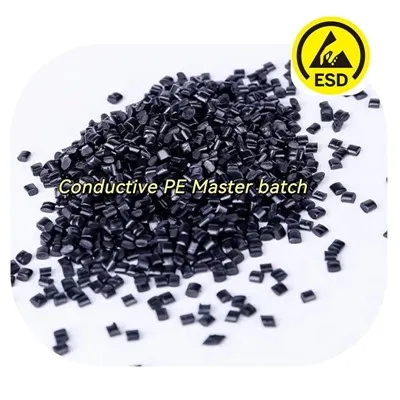
Adding conductive fillers to conductive polymers can also achieve conductivity. This is because the filler can form a conductive pathway, providing a guide for electrons or holes. Common conductive fillers include metal powders, carbon black, and metal oxides.
However, the conductivity produced by conductive fillers often depends on their shape and distribution. Too much filler or inconsistent shapes increase the viscosity and preparation difficulty of the material, leading to a decrease in material performance.