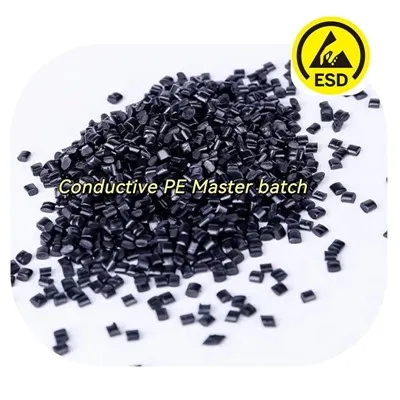

The core material of conductive polymers is an organic polymer with a conjugated π-electron system. This conjugated structure allows electrons to move delocalized along the molecular chain, thus endowing the material with conductivity. The most common conductive polymers include polyaniline (PANI), polypyrrole (PPy), and polythiophene and its derivatives (such as PEDOT:PSS). These polymers form stable conductive chains through chemical synthesis or doping treatment. Differences in the molecular structure of different polymers affect their conductivity, thermal stability, and processing adaptability.
In terms of material properties, conductive polymers possess both flexibility and processability while maintaining good conductivity. For example, polypyrrole can be processed into films and fibers through solution coating or printing, polyaniline exhibits excellent chemical stability and corrosion resistance, and polythiophene and its derivatives combine transparency and tunable conductivity. These characteristics enable conductive polymers to be widely used in flexible electronics, touch screens, conductive fibers, and antistatic coatings, without being limited by the shape and rigidity of traditional metallic conductors.
Conductive polymer materials offer flexibility in chemical modification and functional compounding. By introducing different functional groups, copolymerizing, or combining with nanomaterials, conductivity, thermal stability, and mechanical properties can be tuned. For example, PEDOT:PSS, due to its good water solubility, can be easily combined with other polymers or substrates to form transparent conductive films, while polyaniline exhibits significantly enhanced conductivity after acid doping. This material flexibility allows conductive polymers to not only meet basic conductivity requirements but also achieve multifunctional integration, providing a material basis for sensors, energy devices, and smart materials.