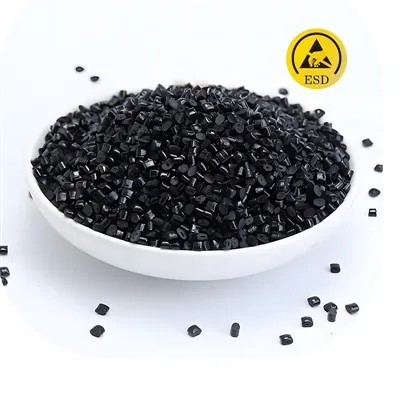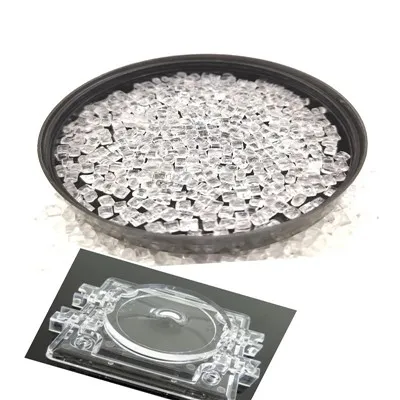

Conductive polymers, as the name suggests, are organic polymers that possess electrical conductivity. These polymers not only retain the excellent mechanical properties of traditional polymers but also possess lightweight and easy-to-process characteristics that metals lack. Therefore, they have broad application prospects in electronics, energy, and biological fields.
Excellent Conductivity
Conductive polymers possess excellent electrical conductivity, which can be controlled by adjusting the polymer's structure, dopant type, and concentration. This makes them promising for a wide range of applications in electronic devices, energy storage, and other fields.
Lightweight and Easily Processable
Compared to traditional metallic materials, conductive polymers are lightweight and easy to process. This gives them unique advantages in aerospace, wearable devices, and other fields.
Good Biocompatibility
Some conductive polymers exhibit good biocompatibility and can bind well to biological tissues. This makes them promising for applications in the biomedical field, such as biosensors and neural repair.