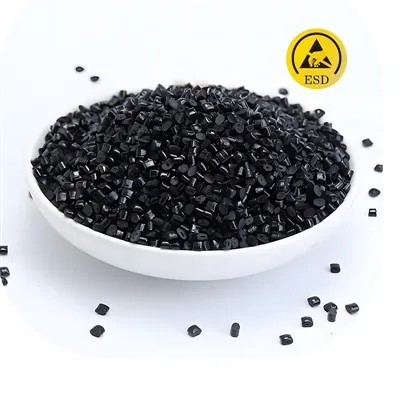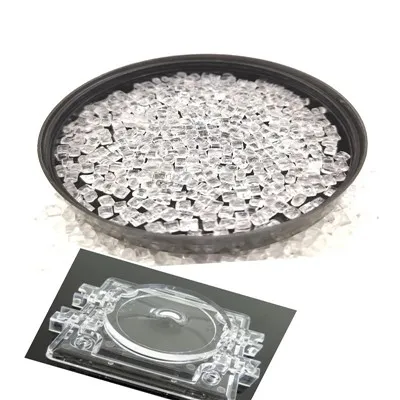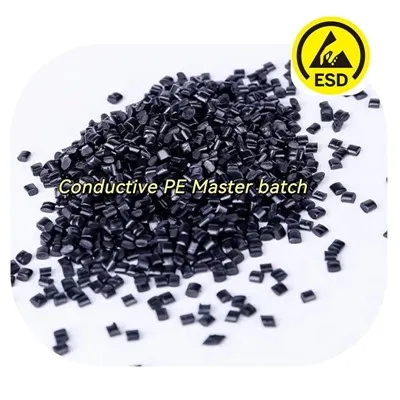

Conductive polymers require strict control of environmental conditions during storage to maintain their conductivity and chemical stability. First, temperature is a critical factor. Most conductive polymers, such as polyaniline, polypyrrole, and polythiophene derivatives, are suitable for storage at room temperature or low temperatures (typically 0–25°C). High temperatures may accelerate polymer chain degradation or dopant volatilization, leading to a decrease in conductivity. Second, humidity management is equally important. Excessive humidity can easily cause polymers to absorb moisture and swell, or even undergo hydrolysis. Therefore, storage in a dry environment with a relative humidity below 50% is recommended.
Light exposure is also a factor to consider. Strong ultraviolet light or sunlight can cause polymer chain breakage or oxidation, thereby altering conductivity. Therefore, light-proof, airtight containers, such as brown bottles or light-proof bags, should be used to minimize the impact of light on the material. Direct contact with strong acids, strong alkalis, oxidants, and metal ions should also be avoided to prevent chemical reactions that could damage the polymer structure.
For conductive polymers stored for extended periods, containers should be kept sealed, and the material's condition should be checked regularly, including changes in color, particle dispersibility, and conductivity. For liquid or dispersion materials, appropriate stabilizers can be added or refrigeration can be used to prevent precipitation, aggregation, or degradation. Scientific and reasonable storage measures can not only extend the service life of conductive polymers but also ensure their stable conductivity and reliability in practical applications.