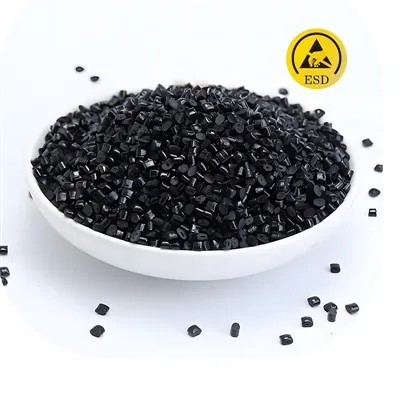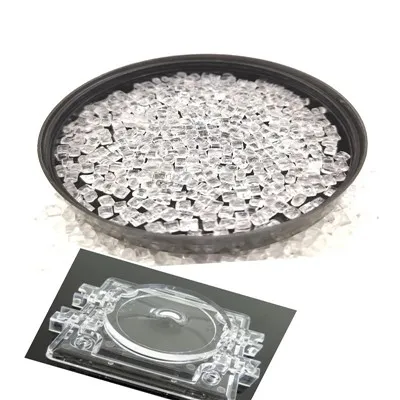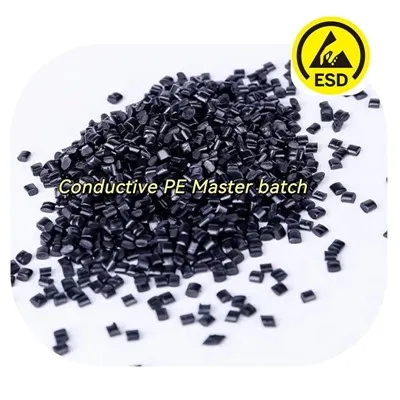

The maintenance of conductive polymers primarily aims to preserve their conductivity, mechanical properties, and chemical stability, thereby extending their lifespan. First, prolonged exposure to high temperatures, strong light, or humidity should be avoided, as these factors accelerate the oxidation or hydrolysis of polymer chains, leading to decreased conductivity or material embrittlement. For common conductive polymers such as polyaniline and polypyrrole, it is recommended to store them at room temperature to low temperatures, away from strong oxidants and corrosive chemicals.
During use, conductive polymers should be kept away from mechanical stress and repeated bending, especially in flexible electronic devices or sensor applications. Excessive stretching or friction can cause conductive chain breakage or film peeling, reducing conductivity. For conductive polymers in solution or dispersion form, care should be taken to prevent precipitation and agglomeration; this can be achieved by gentle stirring or adding stabilizers to maintain homogeneity.
Regular electrical performance testing is also a crucial part of maintenance. By measuring changes in conductivity or resistance, material performance degradation can be detected promptly, allowing for necessary measures such as re-doping or material replacement. For conductive polymers that require long-term storage, it is recommended to store them in sealed, light-proof, and dry containers, while avoiding direct contact with strong acids, strong alkalis, or metal ions, so as to maximize their stability and service life.