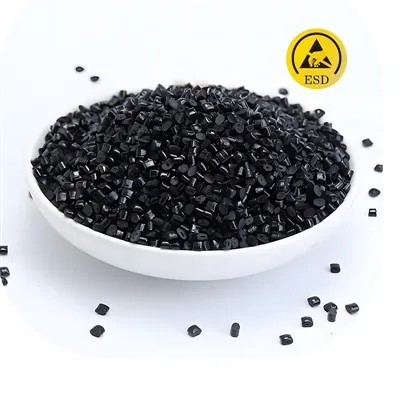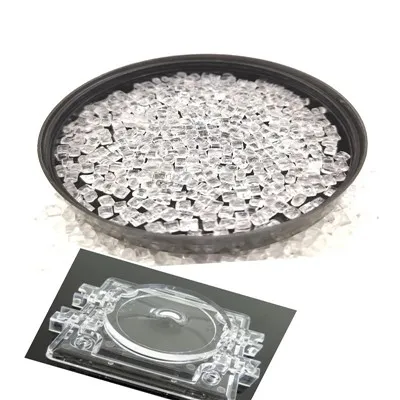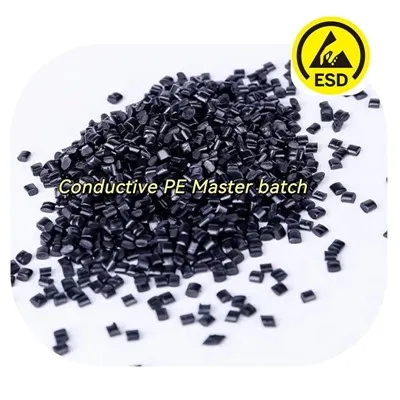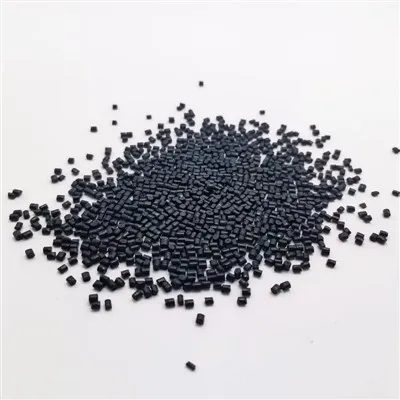

Conductive polymers are a class of materials that possess both polymeric properties and electrical conductivity. Their main technical parameters typically include electrical conductivity, band structure, and carrier type. Electrical conductivity is the core indicator for evaluating electrical conductivity, generally measured in Siemens units per centimeter (S/cm). Different types of conductive polymers, such as polyaniline, polypyrrole, or polythiophene, exhibit significant differences in conductivity, which is usually adjusted through doping or redox treatment. Electrical conductivity is affected by the regularity of the polymer molecular chain, the degree of doping, and processing conditions; therefore, precise control of the synthesis process is necessary during preparation and application to ensure consistent and stable performance.
Besides electrical conductivity, the thermal stability and mechanical properties of conductive polymers are also key technical parameters. Thermal stability is typically determined by thermogravimetric analysis (TGA) and differential scanning calorimetry (DSC), reflecting the performance retention of the polymer at high temperatures or during long-term use. Mechanical properties include tensile strength, elongation, and flexibility; these indicators directly affect the suitability of conductive polymers in flexible electronic devices, sensors, or wearable devices. If a material with high electrical conductivity lacks sufficient mechanical strength, it may break or peel off during processing or use. Therefore, material design needs to find a balance between electrical conductivity and mechanical properties.