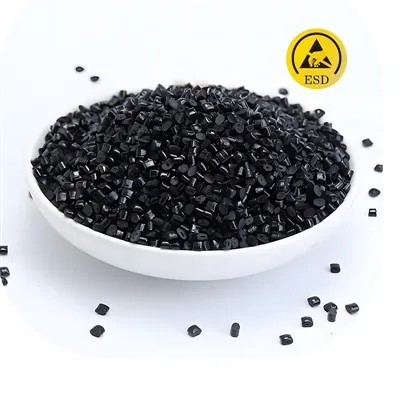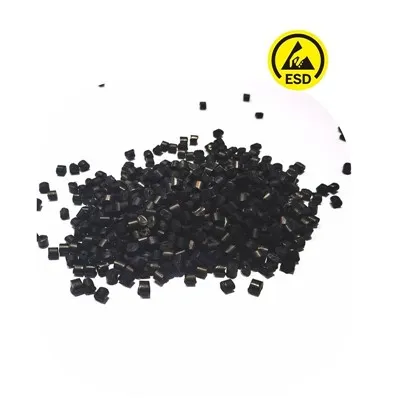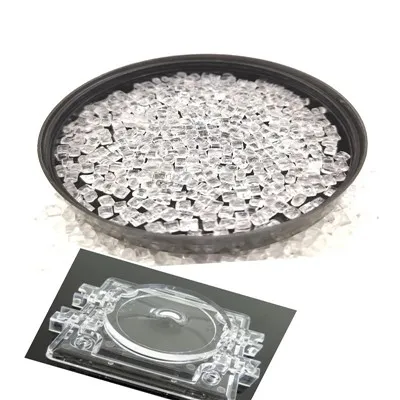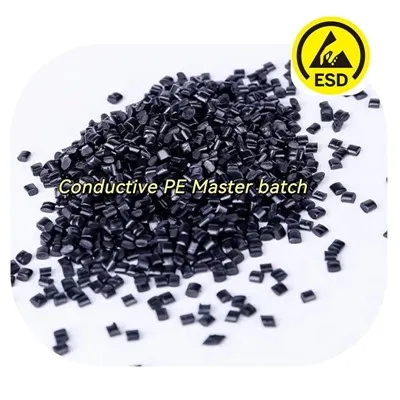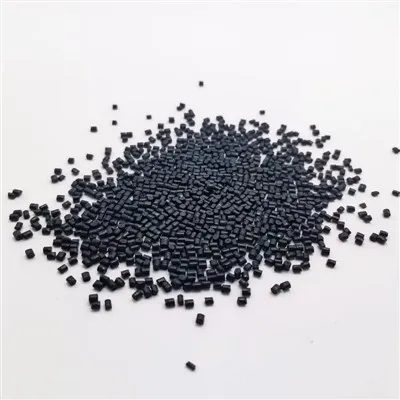

Conductive polymers are a class of polymeric materials that possess a basic polymeric structure and are capable of conducting electricity. Unlike traditional insulating polymers, conductive polymers typically contain conjugated double bonds in their molecular chains, allowing π electrons to move along the chain and thus imparting conductivity. Through chemical doping, redox reactions, or molecular structure modulation, the conductivity of these materials can be tuned over a wide range, from insulating to semiconductor and even metallic conductivity levels. Common conductive polymers include polyaniline (PANI), polypyrrole (PPy), polythiophene, and their derivatives. They combine the flexibility, processability, and conductivity of traditional polymers, making them widely applicable in sensors, flexible electronic devices, antistatic materials, and energy storage devices.
Lightweight and flexible: Inheriting the lightweight and bendable properties of traditional polymers, it is suitable for flexible electronic devices.
Solution-processable: Some conductive polymers can be processed into films through spin coating, dip coating, inkjet printing, etc., compatible with low-cost manufacturing processes.
Corrosion resistant and highly chemically stable: Compared to metals, it is more stable in acidic, alkaline, or humid environments.
Tunable structure: Conductivity, solubility, and optical properties can be controlled through chemical modification, copolymerization, and the introduction of side chains.