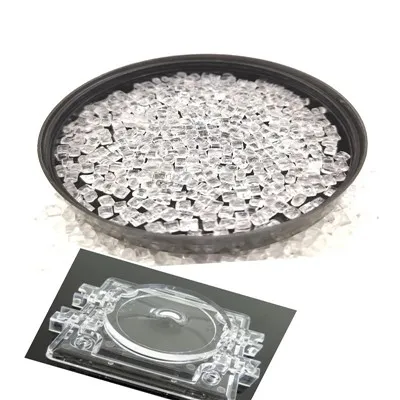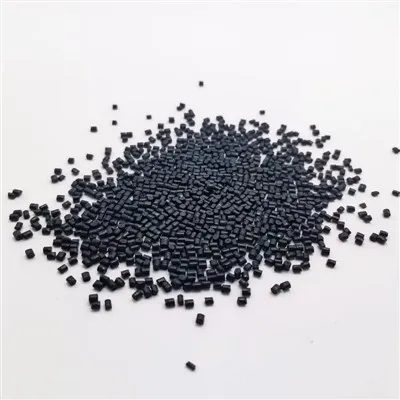

Antistatic plastics are a type of plastic material with special functions, primarily characterized by their ability to effectively prevent the generation and accumulation of static electricity. In daily life and industrial production, static electricity often damages electronic equipment, precision instruments, and flammable and explosive materials, or poses safety hazards. Therefore, the application of antistatic plastics is particularly important.
The technical principle of antistatic plastics is mainly based on adding antistatic agents or through special processing to form a conductive layer on the plastic surface, thereby quickly conducting away static electricity and preventing its accumulation. This material not only retains the advantages of traditional plastics, such as light weight, ease of processing, and corrosion resistance, but also possesses the special function of antistatic properties.
Antistatic plastics are widely used in electronics, electrical appliances, communications, automotive, and aerospace industries. In the electronics industry, antistatic plastics can be used to manufacture packaging materials and transport pallets for electronic components to prevent static electricity from damaging the components. In the automotive industry, antistatic plastics can be used to manufacture automotive interior parts and fuel lines, improving vehicle safety and comfort.