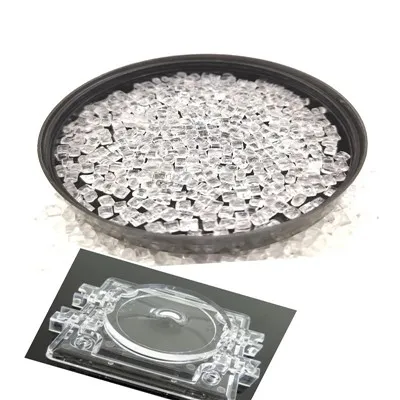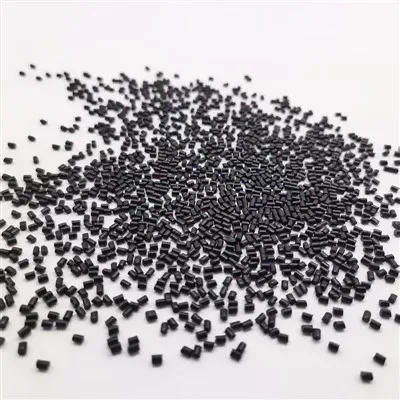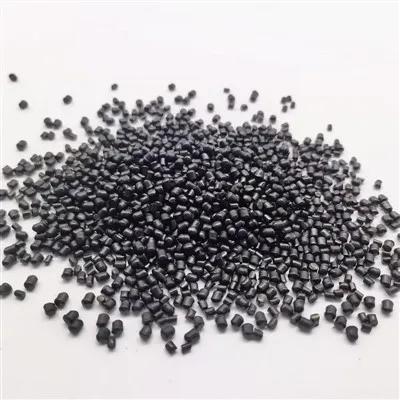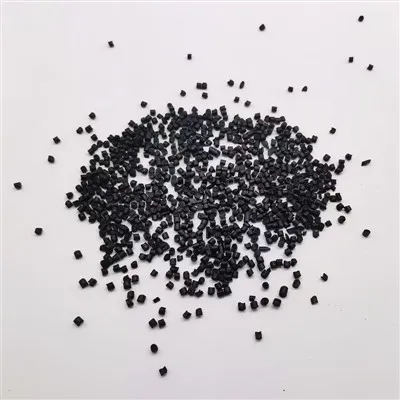
Static shock is a common and often annoying phenomenon in our daily lives and industrial environments. It can cause discomfort to individuals and even lead to serious problems in sensitive electronic manufacturing and other industries. Anti-static plastics have emerged as an effective solution to reduce static shock, and as a leading anti-static plastics supplier, I'm here to share how these remarkable materials work.
Understanding Static Electricity
Before delving into how anti-static plastics reduce static shock, it's essential to understand what static electricity is. Static electricity is the result of an imbalance of electric charges within or on the surface of a material. When two materials come into contact and then separate, electrons can be transferred from one material to the other. If the materials are insulators, the charges can accumulate on the surface, creating a static charge.
For example, when you walk across a carpeted floor, your shoes rub against the carpet, causing electrons to be transferred. When you then touch a metal object, such as a doorknob, the accumulated static charge is discharged, resulting in a shock. In industrial settings, static electricity can cause dust attraction, damage to electronic components, and even sparking, which can be a fire hazard.
How Anti-Static Plastics Work
Anti-static plastics are designed to prevent the build-up of static electricity on their surfaces. There are several ways in which they achieve this:
Conductive Fillers
One common method is to incorporate conductive fillers into the plastic. These fillers, such as carbon black, carbon fiber, carbon nano tube, IDPs, or metal fiber, create a conductive pathway within the plastic. When a static charge begins to build up on the surface of the plastic, the conductive fillers allow the charge to flow through the material and dissipate.
Carbon black is a widely used conductive filler due to its low cost and high conductivity. It is added to the plastic during the manufacturing process, and the amount of carbon black used can be adjusted to achieve the desired level of conductivity. Metal fibers can also be used, but they are more expensive.
Surface Treatment
Another approach is to apply a surface treatment to the plastic. This treatment can be a coating or a chemical treatment that reduces the surface resistivity of the plastic. The surface treatment creates a thin layer on the surface of the plastic that allows the static charge to dissipate more easily.
One common surface treatment is the application of an anti-static agent. These agents can be sprayed or dipped onto the plastic surface, and they work by attracting moisture from the air. The moisture forms a thin layer on the surface of the plastic, which helps to conduct the static charge away. Another type of surface treatment is the use of a conductive polymer. This coating is applied to the plastic surface and provides a conductive pathway for the static charge.
Ionization
Some anti-static plastics use ionization to reduce static charge. Ionization involves the generation of ions, which are charged particles, in the air around the plastic. These ions can neutralize the static charge on the surface of the plastic.
There are two main types of ionization: corona ionization and radioactive ionization. Corona ionization uses a high-voltage electrical discharge to generate ions in the air. Radioactive ionization uses a radioactive source to generate ions. Both methods are effective at reducing static charge, but they have different advantages and disadvantages.
Benefits of Anti-Static Plastics
Anti-static plastics offer several benefits in various applications:
Protection of Electronic Components
In the electronics industry, static electricity can cause damage to sensitive electronic components. Anti-static plastics can be used to package and transport these components, protecting them from static shock. For example, anti-static plastic bags are commonly used to store and transport electronic parts, such as integrated circuits and printed circuit boards.
Dust and Dirt Prevention
Static electricity can attract dust and dirt to the surface of plastics. Anti-static plastics can reduce the build-up of dust and dirt, making them easier to clean and maintain. This is particularly important in industries where cleanliness is critical, such as the food and pharmaceutical industries.
Safety
In some industries, such as the chemical and petroleum industries, static electricity can pose a fire or explosion hazard. Anti-static plastics can be used to reduce the risk of static sparking, improving safety in these environments.
Applications of Anti-Static Plastics
Anti-static plastics are used in a wide range of applications, including:
Electronics
As mentioned earlier, anti-static plastics are widely used in the electronics industry to protect electronic components from static shock. They are used in packaging, storage, and transportation of electronic parts, as well as in the manufacturing of electronic devices.
Automotive
In the automotive industry, anti-static plastics are used in interior components, such as dashboard panels and seat covers, to reduce the build-up of static charge. This can improve the comfort of passengers and reduce the risk of static shock.

Healthcare
In the healthcare industry, anti-static plastics are used in medical devices and equipment to prevent the build-up of static charge. This can help to protect sensitive electronic components and reduce the risk of infection.
Food and Beverage
In the food and beverage industry, anti-static plastics are used in packaging to prevent the build-up of static charge, which can attract dust and dirt. This can help to keep the food and beverage products clean and safe.
Our Anti-Static Plastic Solutions
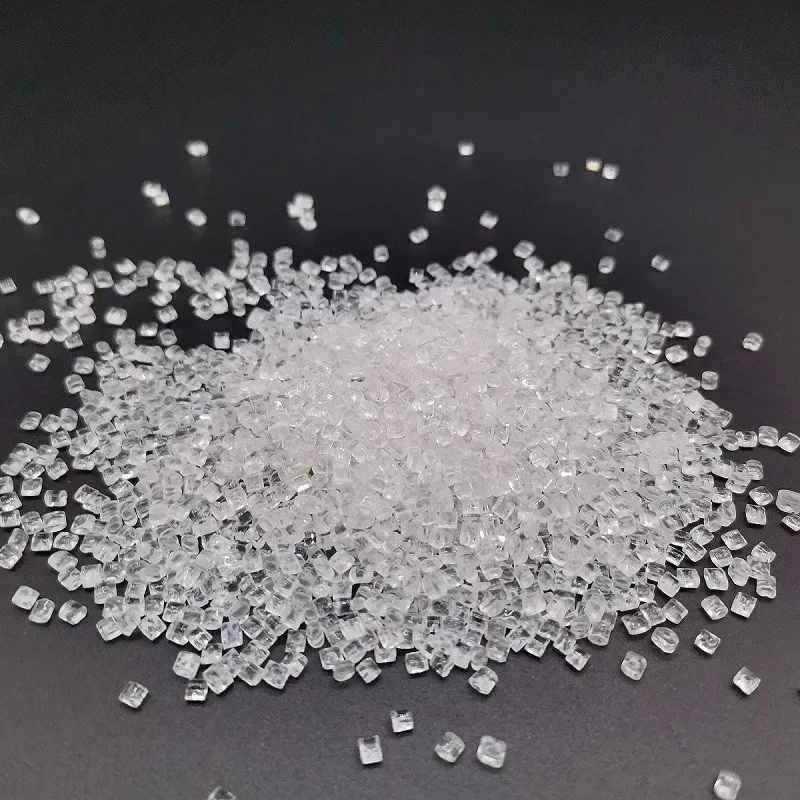
As a leading anti-static plastics supplier, we offer a wide range of anti-static plastic materials to meet the needs of various industries. Our products are designed to provide effective static protection while maintaining the mechanical and physical properties of the plastic.
We offer anti-static plastics in different forms, including sheets, films, and molded parts. Our anti-static plastic materials are available in a variety of colors and sizes, and we can also customize the products to meet your specific requirements.
If you are interested in our anti-static plastic materials, please visit our website Anti Static Plastic Material for more information. Our team of experts is also available to provide you with technical support and advice on the best anti-static plastic solution for your application.
Conclusion
Anti-static plastics are an effective solution to reduce static shock in various applications. By incorporating conductive fillers, applying surface treatments, or using ionization, these materials can prevent the build-up of static charge and protect sensitive electronic components, reduce dust and dirt attraction, and improve safety.
As a leading anti-static plastics supplier, we are committed to providing high-quality anti-static plastic materials and solutions to our customers. If you have any questions or need further information about our products, please don't hesitate to contact us. We look forward to working with you to meet your anti-static plastic needs.