Surface properties play a crucial role in the performance and application of superconducting materials. As a leading supplier of superconducting materials, we have witnessed firsthand how these properties can significantly impact the functionality and efficiency of our products. In this blog, we will delve into the intricate relationship between surface properties and superconducting materials, exploring how they influence key characteristics such as critical temperature, critical current density, and magnetic field tolerance.
Understanding Superconducting Materials
Superconductors are materials that exhibit zero electrical resistance and expel magnetic fields when cooled below a certain critical temperature. This unique property makes them ideal for a wide range of applications, including power transmission, magnetic resonance imaging (MRI), and particle accelerators. However, the performance of superconducting materials is highly dependent on their surface properties, which can affect their ability to maintain superconductivity under various conditions.
The Role of Surface Roughness
One of the most important surface properties that can affect superconducting materials is surface roughness. A rough surface can introduce defects and impurities, which can disrupt the flow of electrons and reduce the critical current density. In addition, rough surfaces can also increase the surface area of the material, which can lead to increased heat transfer and reduced thermal stability.
To mitigate the effects of surface roughness, we use advanced manufacturing techniques to ensure that our superconducting materials have a smooth and uniform surface. This helps to minimize the number of defects and impurities, which can improve the critical current density and thermal stability of the material.
The Impact of Surface Chemistry
Another important surface property that can affect superconducting materials is surface chemistry. The chemical composition of the surface can influence the interaction between the material and its environment, which can affect its superconducting properties. For example, a surface that is contaminated with impurities or oxides can reduce the critical temperature and critical current density of the material.
To control the surface chemistry of our superconducting materials, we use a variety of surface treatment techniques, such as cleaning, etching, and coating. These techniques help to remove impurities and oxides from the surface, which can improve the superconducting properties of the material.
The Influence of Surface Morphology
Surface morphology refers to the shape and texture of the surface of a material. The surface morphology of a superconducting material can affect its superconducting properties by influencing the flow of electrons and the interaction between the material and its environment. For example, a surface with a high aspect ratio can increase the critical current density by providing a larger surface area for electron flow.
To optimize the surface morphology of our superconducting materials, we use advanced manufacturing techniques, such as lithography and etching, to create precise patterns and structures on the surface. These patterns and structures can help to improve the superconducting properties of the material by enhancing the flow of electrons and reducing the resistance.
Applications of Superconducting Materials
Superconducting materials have a wide range of applications in various industries, including energy, healthcare, and transportation. In the energy industry, superconducting materials are used in power transmission cables to reduce energy losses and improve the efficiency of the grid. In the healthcare industry, superconducting materials are used in MRI machines to provide high-resolution images of the human body. In the transportation industry, superconducting materials are used in maglev trains to provide high-speed and efficient transportation.
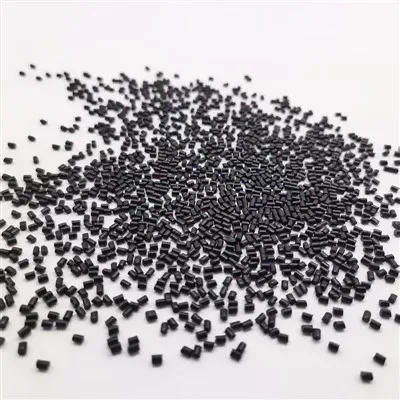
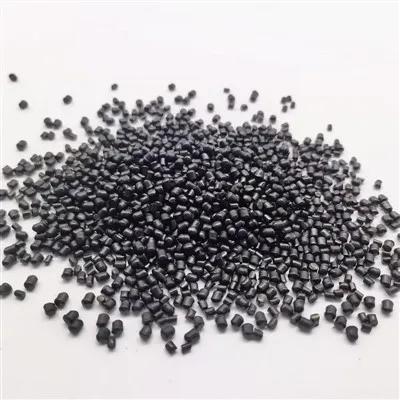
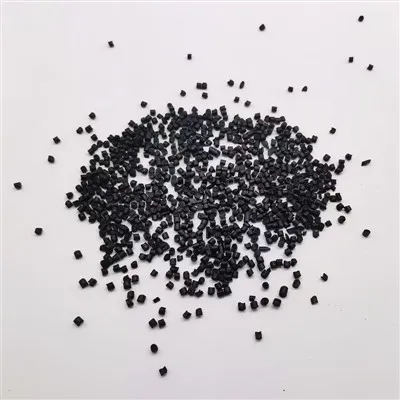
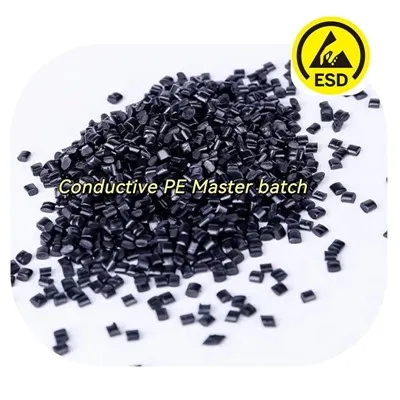
As a supplier of superconducting materials, we offer a wide range of products to meet the needs of our customers. Our products include Conductive Additive for PE Film, Conductive Carbon Black Masterbatch for PS Sheet, and Conductive Carbon Black Masterbatch for PP Sheet. These products are designed to provide high conductivity and excellent performance in a variety of applications.
Conclusion
In conclusion, surface properties play a crucial role in the performance and application of superconducting materials. By understanding the relationship between surface properties and superconducting materials, we can optimize the design and manufacturing of our products to meet the needs of our customers. As a leading supplier of superconducting materials, we are committed to providing high-quality products and excellent customer service. If you are interested in learning more about our products or would like to discuss your specific requirements, please contact us to start a procurement negotiation.