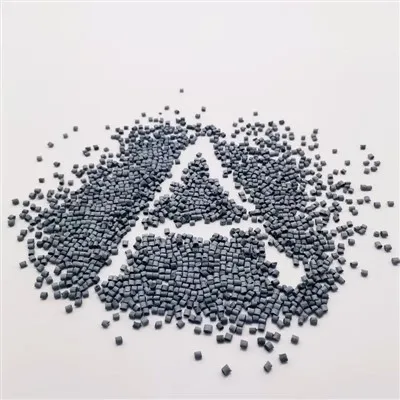
Hey there! I'm a supplier of polypropylene, and I often get asked about the storage requirements for this versatile material. Polypropylene, commonly known as PP, is a thermoplastic polymer that's used in a wide range of applications, from packaging to automotive parts. It's important to store it properly to maintain its quality and performance. So, let's dive into what you need to know about storing polypropylene.
Temperature and Humidity
One of the most critical factors in storing polypropylene is controlling the temperature and humidity. Polypropylene is sensitive to extreme temperatures and moisture, which can affect its physical and mechanical properties.
For temperature, it's best to store polypropylene in a cool, dry place. The ideal temperature range is between 20°C and 30°C (68°F - 86°F). If the temperature gets too high, the polypropylene can start to soften and deform. On the other hand, if it's too cold, the material can become brittle and more prone to cracking.
Humidity also plays a big role. High humidity can cause the polypropylene to absorb moisture, which can lead to issues like warping, reduced strength, and even mold growth. Aim to keep the relative humidity below 60%. If you're in a particularly humid area, you might want to consider using dehumidifiers in your storage facility.
Storage Containers
The type of container you use to store polypropylene matters. It should protect the material from dust, dirt, and physical damage.


For small quantities, sealed plastic bags or containers are a good option. They keep the polypropylene clean and prevent moisture from getting in. Make sure to label the containers with the date of storage and the type of polypropylene.
For larger quantities, pallets and bulk storage bins are commonly used. When using pallets, ensure they are in good condition and can support the weight of the polypropylene. You can cover the pallets with plastic sheeting to protect the material from dust and moisture.
Protection from Sunlight
Sunlight can have a negative impact on polypropylene. Ultraviolet (UV) rays can cause the material to degrade over time, leading to discoloration, reduced strength, and brittleness.
To protect polypropylene from sunlight, store it in a shaded area or use UV-resistant covers. If you're storing polypropylene outdoors, make sure it's covered with a tarp or other protective material that blocks UV rays.
Avoiding Contamination
Contamination can affect the quality of polypropylene. Keep the storage area clean and free of debris. Avoid storing polypropylene near chemicals, solvents, or other materials that could react with it.
When handling polypropylene, use clean tools and equipment. If you're transferring the material from one container to another, make sure the containers are clean and dry.
Stacking and Handling
Proper stacking and handling are important to prevent damage to polypropylene. When stacking pallets or containers, make sure they are stable and evenly distributed. Avoid overloading the pallets, as this can cause the polypropylene to deform or break.
When handling polypropylene, use appropriate lifting equipment, such as forklifts or pallet jacks. Be careful not to drop or damage the material during handling.
Special Considerations for Different Forms of Polypropylene
Polypropylene comes in different forms, such as pellets, sheets, and films. Each form has its own storage requirements.
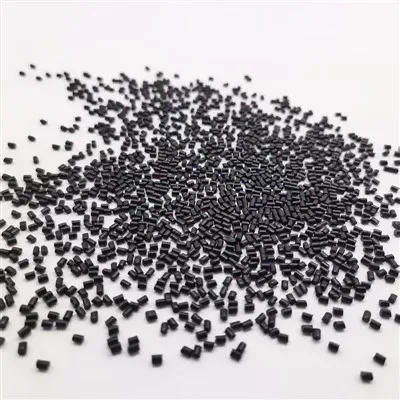
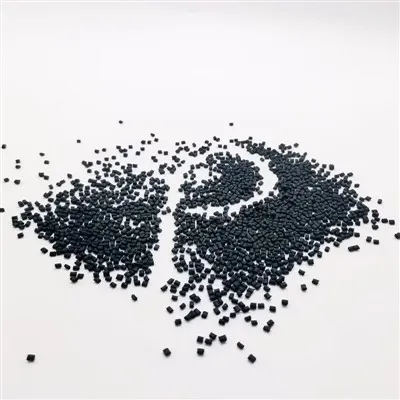
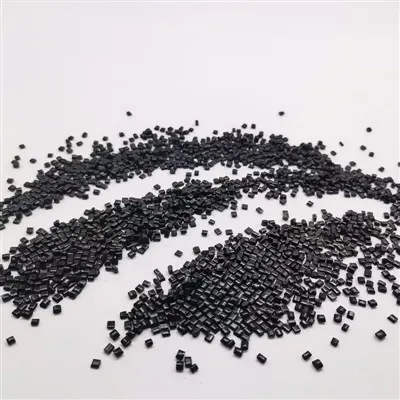
- Pellets: Polypropylene pellets are small, spherical particles. They are usually stored in large bags or silos. Make sure the bags are sealed properly to prevent moisture and dust from getting in. If you're using silos, ensure they are clean and dry before filling them with pellets.
- Sheets: Polypropylene sheets are often stored vertically to prevent warping. You can use racks or storage bins to keep the sheets organized. Make sure the sheets are protected from scratches and other physical damage.
- Films: Polypropylene films are thin and flexible. They are usually rolled up and stored in cardboard tubes. Keep the films in a cool, dry place to prevent them from sticking together or becoming brittle.
Our Products and Their Storage
As a polypropylene supplier, we offer a variety of products, including Conductive Carbon Black Masterbatch for PP Sheet, Conductive Carbon Black Masterbatch for PS Sheet, and Conductive Additive for PE Film. These products have specific storage requirements to ensure their performance.
- Conductive Carbon Black Masterbatch for PP Sheet: This masterbatch should be stored in a cool, dry place away from direct sunlight. It's important to keep it sealed to prevent moisture absorption, which can affect its conductivity.
- Conductive Carbon Black Masterbatch for PS Sheet: Similar to the PP masterbatch, the PS masterbatch should be stored in a controlled environment. Avoid exposure to high temperatures and humidity to maintain its quality.
- Conductive Additive for PE Film: The conductive additive for PE film should be stored in a sealed container to prevent contamination. Keep it in a cool place to ensure its effectiveness.
Conclusion
Proper storage of polypropylene is essential to maintain its quality and performance. By controlling the temperature, humidity, and protecting it from sunlight and contamination, you can ensure that your polypropylene products remain in good condition.
If you're interested in purchasing polypropylene or any of our other products, feel free to reach out to us. We're here to help you with your needs and provide you with the best quality materials.
References
- "Polypropylene: Properties, Processing, and Applications" by John A. Brydson
- "Plastics Technology Handbook" by Charles A. Harper