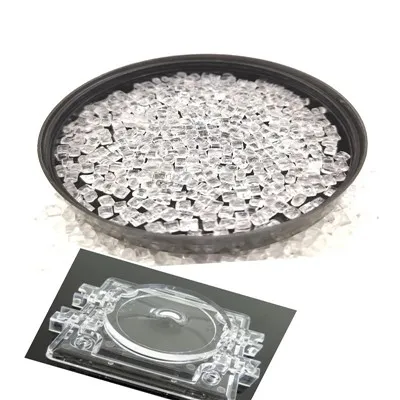
Hey there! As a supplier of Conducting PS (Polystyrene), I often get asked the question, "Where should PS be conducted?" Well, let's dive right into it and explore the best scenarios and locations for conducting PS.
Understanding Conducting PS
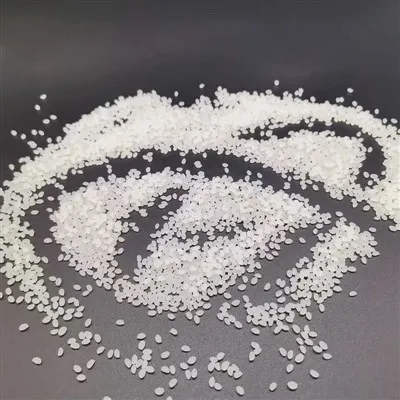
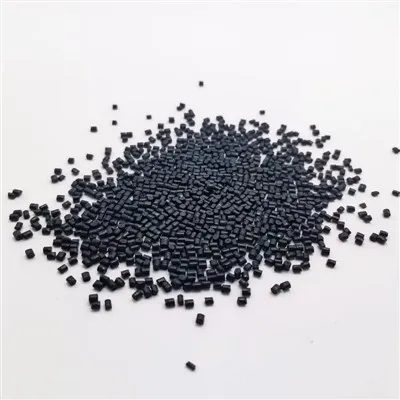
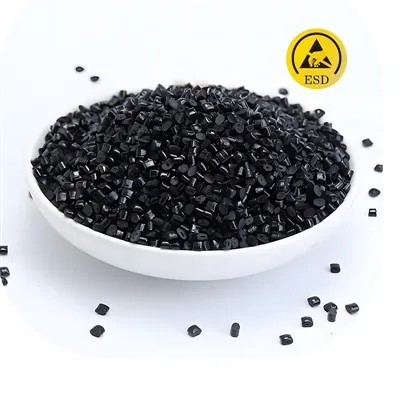
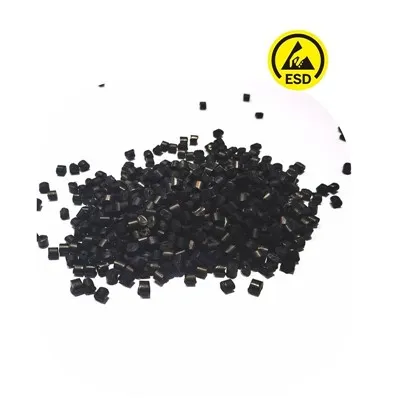
First off, let's quickly go over what Conducting PS is. Conducting PS is a type of polymer that has the ability to conduct electricity. It's made by adding conductive elements to the polystyrene matrix, which gives it unique electrical properties. There are different types of conducting polymers out there. For instance, Highly Conductive Polymers are known for their excellent electrical conductivity and are often used in high - tech applications. Then, there are Conductive Thermoplastic versions of PS, which can be easily molded and shaped while still maintaining their conductive properties. And don't forget Conductive Element Filled Polymer POM, which combines the strength of POM with conductive elements, making it suitable for various industrial applications.
In the Electronics Industry
One of the most common places where conducting PS should be used is in the electronics industry. In this field, the need for reliable and efficient electrical conductivity is crucial. Conducting PS can be used in printed circuit boards (PCBs). PCBs are the backbone of electronic devices, and using conducting PS can help in reducing the weight of the boards while still providing good electrical performance. This is especially important in portable electronic devices like smartphones and tablets, where every gram counts.
Another application in electronics is in electromagnetic shielding. Electronic devices generate electromagnetic interference (EMI), which can disrupt the operation of other nearby devices. Conducting PS can be used to create shielding enclosures that block this EMI. These enclosures can be easily molded into different shapes, making them a versatile solution for protecting sensitive electronic components.
In the Automotive Sector
The automotive industry is also a great place for conducting PS. In modern cars, there are a lot of electronic systems, from the engine control unit to the infotainment system. Conducting PS can be used in wiring harnesses. Traditional wiring harnesses are heavy and take up a lot of space. By using conducting PS, we can reduce the weight of the wiring, which in turn improves the fuel efficiency of the vehicle.


Moreover, conducting PS can be used in sensors. Sensors in cars need to be reliable and accurate, and the conductive properties of PS can help in ensuring that the sensors work properly. For example, in temperature sensors or pressure sensors, conducting PS can be used to transmit the electrical signals efficiently.
In the Packaging Industry
In the packaging industry, conducting PS has its own set of applications. Static electricity can be a big problem in packaging, especially when dealing with sensitive electronic components. Conducting PS can be used to make anti - static packaging materials. These materials can prevent the build - up of static electricity, which could otherwise damage the electronic components during transportation and storage.
In the Medical Field
The medical field also benefits from conducting PS. In medical devices, there is a need for materials that are biocompatible and can conduct electricity. Conducting PS can be used in electrodes for electrocardiograms (ECGs) and other medical monitoring devices. The conductive properties of PS allow for accurate transmission of electrical signals, which is essential for proper diagnosis and treatment.
Factors to Consider for Conducting PS Applications
When deciding where to use conducting PS, there are several factors to consider. First is the environmental conditions. Conducting PS should be used in environments where the temperature and humidity are within its operating range. Extreme temperatures or high humidity can affect the conductivity of the material.
Another factor is the mechanical requirements. If the application requires a high - strength material, then a conductive element filled polymer POM might be a better choice. On the other hand, if flexibility is more important, then a conductive thermoplastic version of PS could be used.
Cost is also an important factor. Conducting PS can be more expensive than traditional non - conductive materials. However, the benefits it offers in terms of performance and functionality can often justify the cost, especially in high - end applications.
Why Choose Our Conducting PS
As a supplier of Conducting PS, we take pride in offering high - quality products. Our conducting PS is carefully formulated to ensure consistent conductivity and excellent mechanical properties. We have a team of experts who can help you choose the right type of conducting PS for your specific application. Whether you're in the electronics, automotive, packaging, or medical industry, we have a solution for you.
If you're interested in learning more about our Conducting PS products or have any questions about where it can be used, don't hesitate to reach out. We're here to assist you in making the best decision for your business. Contact us to start a conversation about your conducting PS needs, and let's work together to find the perfect solution for you.