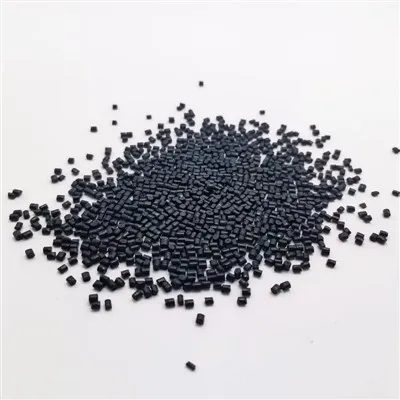

Storage Environment Requirements
Antistatic additives are sensitive to environmental conditions. Storage should be in a dry, cool, and well-ventilated warehouse, avoiding direct sunlight, high temperatures, and humidity. High temperatures may cause some low-molecular-weight antistatic agents to volatilize or decompose, while humidity may cause moisture absorption, clumping, performance degradation, or increased susceptibility to chemical reactions. Therefore, warehouse temperature should generally be controlled between 15~25℃, and relative humidity should not exceed 60%. Dehumidification or air conditioning equipment can be used to maintain environmental stability if necessary.
Packaging and Stacking
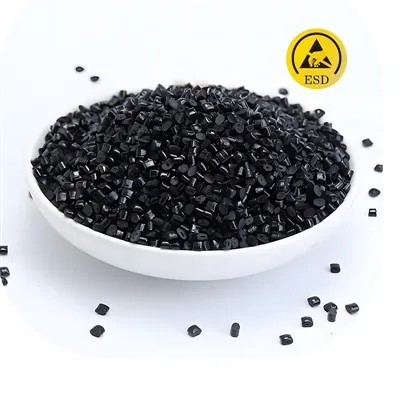
Antistatic additives should be stored in sealed, corrosion-resistant packaging, such as plastic drums, aluminum foil bags, or composite paper bags, clearly labeled with the product name, batch number, production date, and precautions. Packaging must not be damaged to prevent moisture or contamination. When stacking, care should be taken to prevent heavy pressure, squeezing, and collisions. It is generally recommended to keep them at least 20~30 cm off the ground and a certain distance from walls to allow for ventilation and regular inspections.
Isolation and Safety Management
Storage areas should be isolated from flammable, explosive, strong acid, and strong alkali chemicals to avoid unnecessary chemical reactions or safety hazards. The warehouse should be equipped with necessary fire prevention and anti-static facilities and leakage emergency handling tools, and a strict access control system should be established to prevent arbitrary handling or mixed storage. Operators should wear gloves, masks, and goggles when handling or opening packaging to avoid direct contact with dust or liquid antistatic agents.
Storage Period and Inspection The storage period of antistatic additives generally depends on their chemical type and packaging seal. Low molecular weight additives are volatile or prone to migration, and it is generally recommended to store them for no more than 12 months; high molecular weight and compound antistatic agents have better storage stability and can last for 18-24 months. During storage, the integrity of the packaging, the appearance and uniformity of the product should be checked regularly. If any abnormalities such as clumping, sedimentation, discoloration, or odor are found, they should be dealt with or the product replaced promptly to ensure that its performance is not affected.