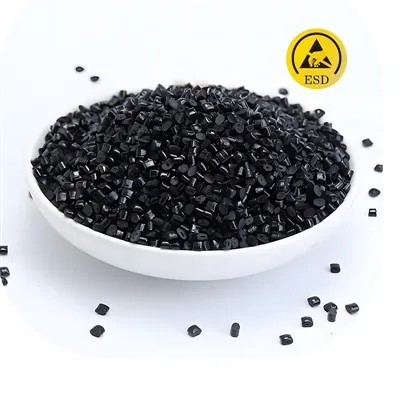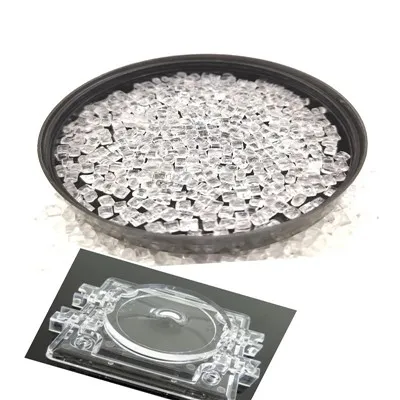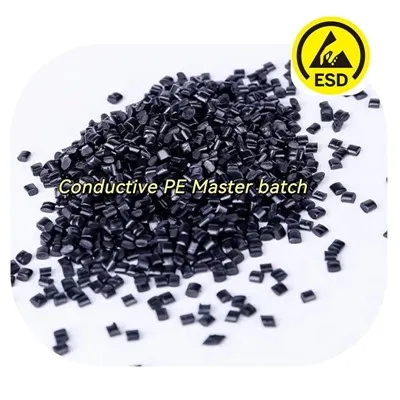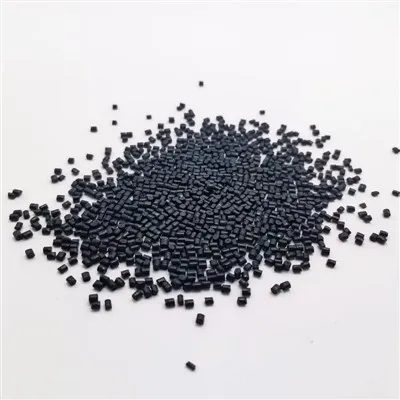

Conductive polymers are high-molecular-weight materials with conductive properties, produced by dispersing conductive substances (such as carbon black, metal particles, etc.) within a polymer matrix using chemical or physical methods.
Their conductivity lies between that of conductors and insulators, making them widely used in electronics, energy, and medical fields. The conductivity mechanisms of conductive polymers mainly include electronic and ionic conduction. Electronically conductive polymers, such as polyaniline and polypyrrole, exhibit high conductivity and environmental stability; ionicly conductive polymers are commonly used in electrolyte materials, such as polymer electrolytes in lithium-ion batteries.
The preparation processes for conductive polymers are diverse, including solution mixing, melt blending, and in-situ polymerization. Solution mixing is suitable for preparing highly dispersed conductive composite materials, while melt blending is more suitable for large-scale production. The properties of conductive polymers are affected by the type, content, and dispersibility of fillers, as well as the properties of the polymer matrix.