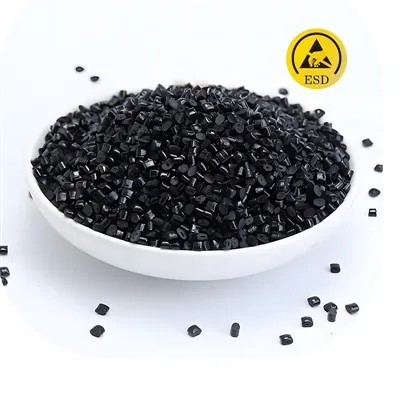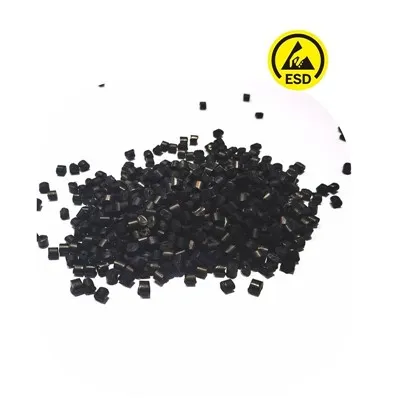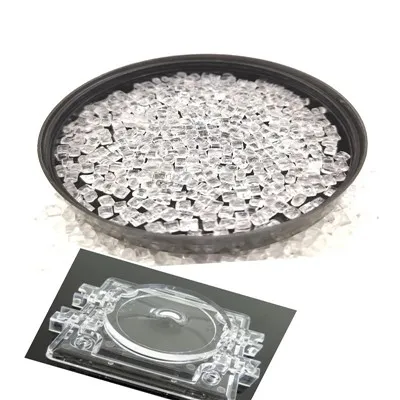

The materials used in antistatic additives primarily depend on their chemical structure and mechanism of action. Low molecular weight organic compounds are a common choice. These additives are typically composed of chemical units such as fatty alcohols, fatty acids, polyethers, amides, or sulfonates, and can reduce the surface resistivity of materials through hygroscopic or ionization effects. They are characterized by their small molecular weight, good migration, and ease of forming a conductive film on material surfaces, making them suitable for polyolefins, PVC, coatings, and fiber materials.
Common materials are polymer-based antistatic agents, typically using polyethylene glycol (PEG), polyacrylates, polyamides, polyurethanes, or grafted modified polymers as the main component. The advantages of polymeric materials include good thermal stability and durability, controllable migration, and the ability to maintain stable antistatic properties during high-temperature processing and long-term use, making them suitable for electronics, optics, precision instrument housings, and engineering plastics.