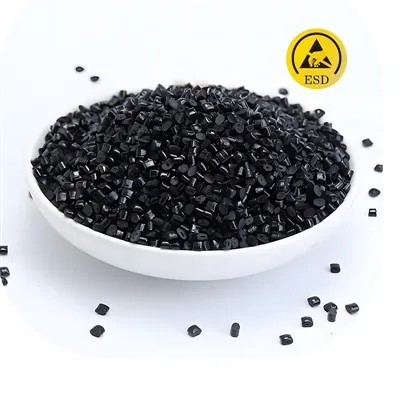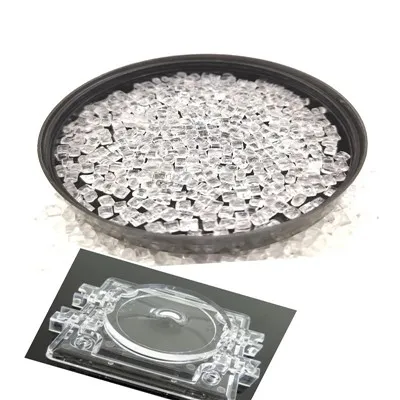

Antistatic additives have wide applications in industry and daily life. Their core function is to reduce the surface and volume resistivity of materials, preventing static electricity accumulation and thus improving product performance and safety. The plastics industry is one of the main application scenarios, such as packaging films, injection molded parts, electronic casings, and appliance panels. By adding antistatic agents to polyolefins, polystyrene, or ABS plastics, dust adsorption, static interference, and spark discharge can be effectively prevented, ensuring the aesthetics and safety of the products.
In the coatings and inks industry, antistatic additives are used for static control of surface coatings. For example, in electronic instrument panels, precision instrument casings, optical lenses, or furniture surface coatings, adding antistatic agents to the coating can form a moisture-absorbing or conductive film, reducing dust adhesion and improving product cleanliness and lifespan. Simultaneously, antistatic coatings can improve coating uniformity in spraying and printing processes, increasing production efficiency and finished product quality.
In the fiber and textile industry, antistatic additives are widely used in synthetic fibers such as polyester, nylon, and acrylic fibers for clothing, protective clothing, carpets, and industrial filter materials. They reduce the surface resistivity of fabrics, preventing static electricity during wear and improving comfort and safety. In the electronics, chemical, and pharmaceutical industries, antistatic textiles can also be used in protective clothing and protective fabrics for static-sensitive equipment to ensure a safe operating environment and stable product performance.