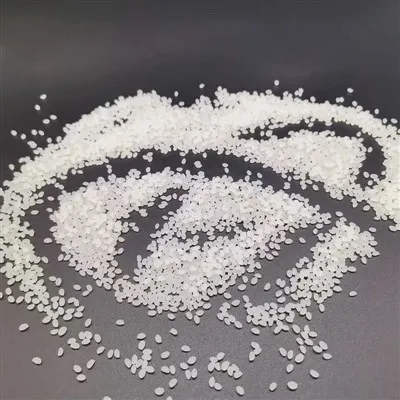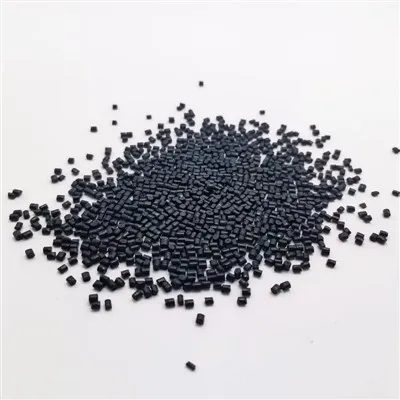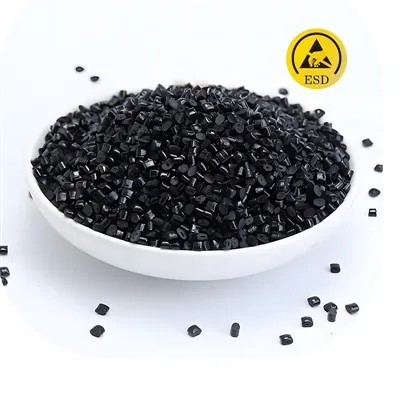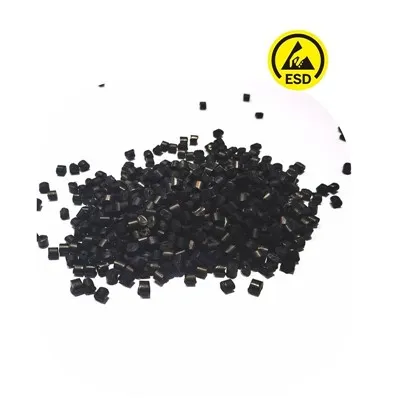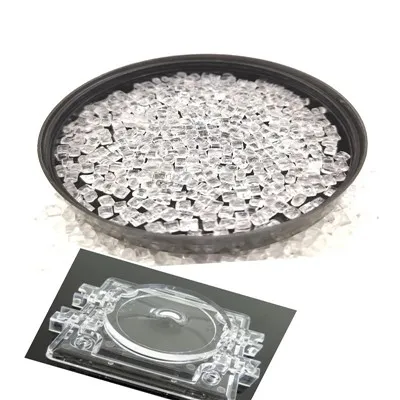
As a supplier of anti-static agents chemicals, I've often been asked about the impact of these substances on the appearance of products. This is a crucial concern for manufacturers, as the aesthetic quality of a product can significantly influence its marketability. In this blog, I'll delve into the science behind anti-static agents and explore how they might affect the appearance of various products.
Understanding Anti-Static Agents
Anti-static agents are chemicals designed to reduce or eliminate static electricity on the surface of materials. Static electricity can cause a range of problems, such as attracting dust and debris, causing electrical shocks, and interfering with electronic devices. By neutralizing the static charge, anti-static agents help to improve the performance and durability of products.
There are two main types of anti-static agents: internal and external. Internal anti-static agents are added to the material during the manufacturing process, while external anti-static agents are applied to the surface of the finished product. Both types work by creating a conductive layer on the surface of the material, which allows the static charge to dissipate.
Impact on Appearance
The impact of anti-static agents on the appearance of products can vary depending on several factors, including the type of agent used, the concentration of the agent, and the material being treated. In general, anti-static agents are designed to be transparent or have minimal impact on the color and texture of the product. However, in some cases, they may cause slight changes in appearance.
Color
One of the most common concerns about anti-static agents is their potential to affect the color of the product. Some anti-static agents may contain pigments or dyes that can alter the color of the material. However, most modern anti-static agents are formulated to be colorless or have a minimal impact on color. When selecting an anti-static agent, it's important to choose one that is compatible with the color of the material and does not cause any significant color changes.
Gloss
Anti-static agents can also affect the gloss or shine of the product. Some agents may increase the gloss of the material, while others may reduce it. The effect on gloss depends on the type of agent and the concentration used. For example, some anti-static agents may create a smooth, shiny surface, while others may create a matte finish. When choosing an anti-static agent, it's important to consider the desired gloss level of the product and select an agent that will achieve the desired effect.
Texture
The texture of the product can also be affected by anti-static agents. Some agents may cause the surface of the material to become smoother or rougher, depending on the type of agent and the concentration used. For example, some anti-static agents may create a slippery surface, while others may create a more textured surface. When selecting an anti-static agent, it's important to consider the desired texture of the product and select an agent that will achieve the desired effect.

Case Studies
To illustrate the impact of anti-static agents on the appearance of products, let's look at a few case studies.
Case Study 1: PS Thermoforming Sheet
A manufacturer of PS thermoforming sheets was experiencing problems with static electricity, which was causing the sheets to attract dust and debris during the manufacturing process. The manufacturer decided to use an Antistatic Additive for PS Thermoforming Sheet to reduce the static charge on the sheets. After applying the anti-static agent, the manufacturer noticed a significant improvement in the appearance of the sheets. The sheets were cleaner and more resistant to dust and debris, and there was no noticeable change in the color or texture of the sheets.
Case Study 2: ABS Injection Parts
A manufacturer of ABS injection parts was experiencing problems with static electricity, which was causing the parts to stick together during the manufacturing process. The manufacturer decided to use an Antistatic Additive for ABS Injection Parts to reduce the static charge on the parts. After applying the anti-static agent, the manufacturer noticed a significant improvement in the appearance of the parts. The parts were easier to handle and did not stick together, and there was no noticeable change in the color or texture of the parts.
Case Study 3: Polymers PE
A manufacturer of polymers PE was experiencing problems with static electricity, which was causing the polymers to attract dust and debris during the manufacturing process. The manufacturer decided to use an Antistatic Additive for Polymers PE to reduce the static charge on the polymers. After applying the anti-static agent, the manufacturer noticed a significant improvement in the appearance of the polymers. The polymers were cleaner and more resistant to dust and debris, and there was no noticeable change in the color or texture of the polymers.
Conclusion
In conclusion, anti-static agents can have a significant impact on the appearance of products. However, with the right selection and application, the impact can be minimized, and the benefits of using anti-static agents can be realized. When choosing an anti-static agent, it's important to consider the type of material being treated, the desired appearance of the product, and the specific requirements of the application.
If you're interested in learning more about our anti-static agents or would like to discuss your specific needs, please don't hesitate to contact us. We're here to help you find the right solution for your products.