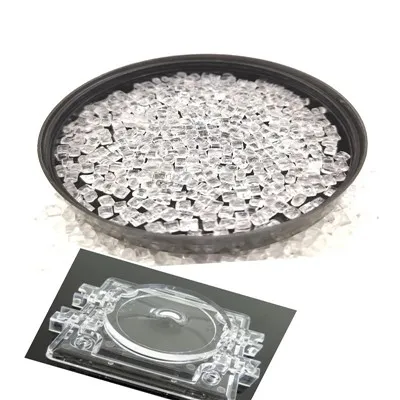
In the field of polymer materials, the management of static electricity is a crucial aspect, and antistatic agents play a vital role in this process. As a reliable supplier of antistatic agents for polymers, I have witnessed firsthand the significance of understanding the difference between permanent and temporary antistatic agents. This knowledge not only helps in making informed decisions but also ensures the optimal performance of polymer products.
Mechanisms of Action
Temporary Antistatic Agents
Temporary antistatic agents work mainly through a surface - active mechanism. These agents are typically applied to the surface of the polymer. Once applied, they form a thin layer on the polymer surface. The hydrophilic groups in the antistatic agent molecules attract moisture from the surrounding environment. This adsorbed moisture creates a conductive layer on the polymer surface, allowing static charges to dissipate.
For example, many common temporary antistatic agents are based on fatty acid esters or ethoxylated amines. When these agents are sprayed or wiped onto the polymer surface, they quickly reduce the surface resistance of the polymer, enabling the static charges to flow away. However, this effect is short - lived. The adsorbed moisture can evaporate over time, and the antistatic agent may also be removed by abrasion or washing.
Permanent Antistatic Agents
Permanent antistatic agents, on the other hand, are incorporated into the polymer matrix during the manufacturing process. They form a continuous conductive network within the polymer. These agents are usually polymers themselves or have a high affinity for the base polymer.
One common type of permanent antistatic agent is a conductive polymer. These polymers have conjugated double - bond systems that allow for the movement of electrons. When added to the base polymer, they create a path for static charges to move through the material. Unlike temporary antistatic agents, the conductive network formed by permanent antistatic agents is an integral part of the polymer structure. As a result, the antistatic effect remains even after long - term use, abrasion, or washing.
Performance and Durability
Temporary Antistatic Agents
The performance of temporary antistatic agents is highly dependent on environmental conditions. In a dry environment, the effectiveness of these agents decreases significantly because there is less moisture available for the formation of the conductive layer. For instance, in a desert - like climate with low humidity, the antistatic effect may last only a few hours or even less.
Moreover, the durability of temporary antistatic agents is limited. They can be easily removed from the polymer surface by physical contact, such as rubbing or cleaning. This means that the antistatic property needs to be reapplied regularly to maintain the desired level of static control.
Permanent Antistatic Agents
Permanent antistatic agents offer long - term and stable antistatic performance. They are not affected by environmental humidity to the same extent as temporary antistatic agents. Even in dry conditions, the conductive network within the polymer still allows for the dissipation of static charges.
In terms of durability, permanent antistatic agents can withstand various mechanical and chemical stresses. They are suitable for applications where the polymer product will be subject to repeated use, cleaning, or exposure to harsh environments. For example, in automotive interior parts, which are often cleaned and exposed to different temperatures and chemicals, permanent antistatic agents ensure consistent static control over the product's lifespan.
Application Areas
Temporary Antistatic Agents
Temporary antistatic agents are commonly used in applications where a short - term antistatic effect is sufficient. For example, in the packaging industry, temporary antistatic agents can be applied to plastic bags or films to prevent the attraction of dust during the storage and transportation of products. They are also used in consumer goods such as electronic device casings, where a quick and inexpensive way to reduce static is needed.


Permanent Antistatic Agents
Permanent antistatic agents are preferred in applications where long - term static control is essential. In the electronics industry, for example, permanent antistatic agents are used in the production of printed circuit boards, connectors, and other electronic components. These agents prevent electrostatic discharge (ESD), which can damage sensitive electronic devices.
In the automotive industry, permanent antistatic agents are used in interior parts such as dashboards, door panels, and seat covers. They not only prevent the attraction of dust but also enhance the overall safety and comfort of the vehicle.
Cost Considerations
Temporary Antistatic Agents
Temporary antistatic agents are generally more cost - effective in the short term. They are relatively inexpensive to purchase and apply. However, the need for repeated application can increase the overall cost over time. For example, if a company uses temporary antistatic agents on a large - scale production line, the cost of reapplying the agent regularly can add up.
Permanent Antistatic Agents
Permanent antistatic agents have a higher upfront cost. The process of incorporating them into the polymer matrix requires additional equipment and processing steps. However, in the long run, they can be more cost - effective because they do not require repeated application. This makes them a better choice for high - volume production and long - term use applications.
Our Product Offerings
As a supplier of antistatic agents for polymers, we offer a wide range of products to meet different customer needs. For those looking for temporary solutions, we have high - quality surface - applied antistatic agents that can quickly reduce static charges on the polymer surface. These agents are easy to apply and provide an immediate antistatic effect.
For customers who require long - term static control, we offer permanent antistatic agents. Our permanent antistatic agents are carefully formulated to ensure excellent compatibility with various polymers, such as polypropylene (PP), polyethylene (PE), and polyoxymethylene (POM).
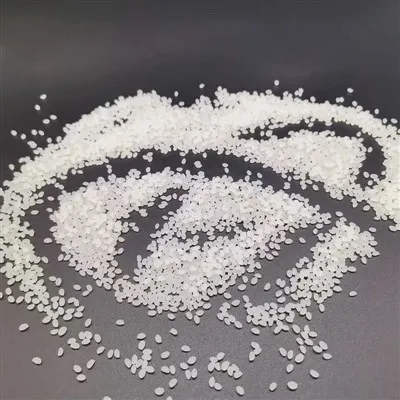
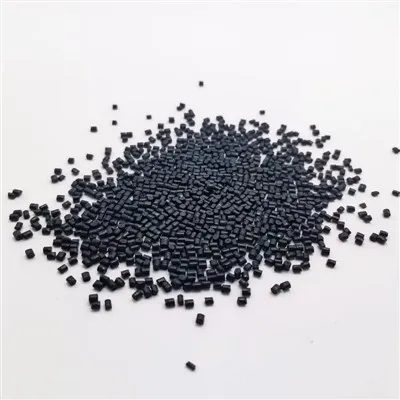
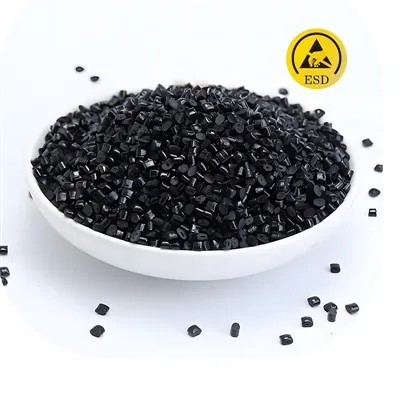
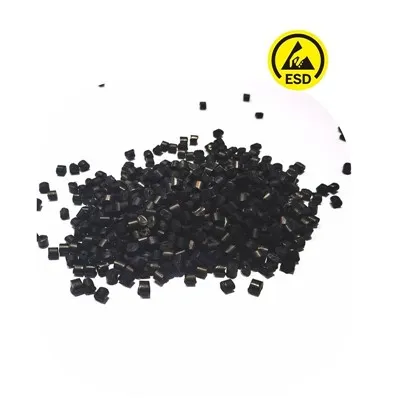
If you are interested in our antistatic additives for POM injection parts, you can visit Antistatic Additive for POM Injection Parts. For antistatic additives for polymers PP, please check Antistatic Additives for Polymers PP. And for antistatic additives for polymers PE, you can refer to Antistatic Additive for Polymers PE.
Conclusion
In conclusion, the difference between permanent and temporary antistatic agents in polymers lies in their mechanisms of action, performance, durability, application areas, and cost. Understanding these differences is crucial for choosing the right antistatic agent for your specific polymer application.
Whether you need a short - term solution or a long - lasting antistatic effect, our company is here to provide you with the best products and services. If you have any questions or would like to discuss your antistatic agent requirements, please feel free to contact us for procurement and negotiation.